







Search Results for: dead acidity
Coffee Bean Quality Assessment Guide: A Systematic Grading and Defect Identification Method from Appearance to Flavor
The starting point of a good cup of coffee lies in selecting high-quality coffee beans. This article systematically explains how to judge the quality of coffee beans from six dimensions: appearance observation, identification of defective beans, extraction process, grinding feel, extracted liquid state, and taste and aroma. By understanding common defect types such as black beans, fermented beans, dead beans, broken beans, and insect-damaged beans, as well as the characteristics of high-quality beans during brewing, such as fluffy foam, a crisp sound during grinding, and clear extracted liquid, it helps coffee enthusiasts build a complete quality assessment system. The article also specifically recommends related products from the Front Street Coffee brand, providing a reference for everyday purchasing. [more…]
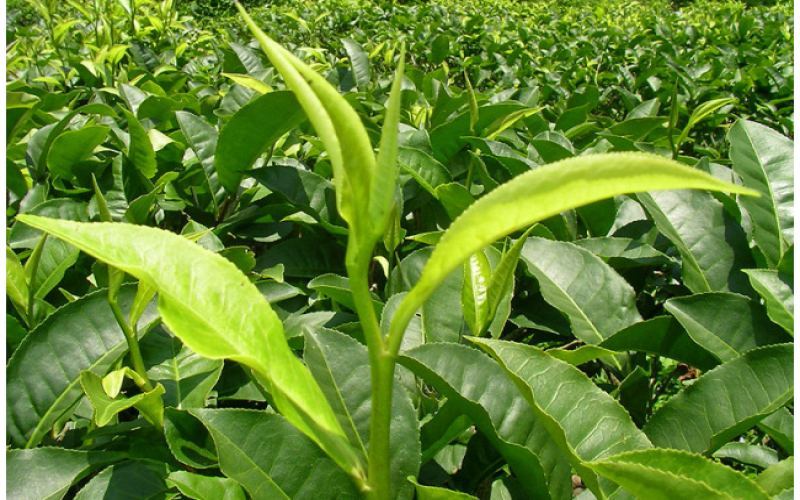
Is the flavor of organic black tea the same as regular black tea? Does organic certification equal high quality? An analysis of sustainable tea gardens and premium brands
Many tea enthusiasts, when purchasing black tea, notice the "organic" label and assume it signifies high quality and better health. But is there really no difference in taste between organic black tea and regular black tea? Does organic certification equate to superior quality? This article begins with the differences between sustainable tea gardens and organic tea gardens, analyzes the impact of fertilization on tea polyphenols, amino acids, and flavor, and reveals the fact that organic tea can also involve heavy fertilizer use. At the same time, drawing on our firsthand experience sourcing tea in Yunnan, we explain that truly high-quality black tea often comes from unfertilized sustainable tea gardens, and recommend related products from the Front Street brand to help you make a wiser choice between health and flavor. [more…]
Where does the acidity in black coffee come from? Is coffee that isn't sour not considered good coffee?
Many coffee enthusiasts have encountered this confusion: you go to a café and order a black coffee, and it tastes so sour it makes you frown, yet the barista says this is just how coffee is supposed to taste, and that if you drink black coffee you have to accept the sourness. At the same time, some roasters claim that coffee beans are fruit, that they only have acidity and sweetness, and that any bitterness is a sign of bad beans. Do these claims really hold up? This article will, from the perspectives of the nature of coffee beans, the chemical changes during roasting, and the flavor characteristics of different origins, help readers clarify the relationship between "sour coffee" and "good coffee," and teach you to distinguish between a quality "fragrant acidity" and a "dead acidity" caused by negative factors. [more…]

Don't rush to throw away coffee grounds! 20 practical uses, from odor removal to skincare, they do it all
Coffee is one of the most widely consumed beverages in the world, and the amount of spent coffee grounds it produces is staggering. Many people simply throw away the grounds after brewing, but these seemingly useless remnants actually hold a great deal of overlooked value. From deodorizing the fridge and removing odors from your hands, to hair care, natural dyeing, repelling ants, and fertilizing plants, coffee grounds can be put to use in household cleaning, personal care, gardening, and even cooking. This article compiles 20 practical and interesting uses for coffee, helping you get the most out of it before you throw it away. If you love coffee, why not start putting these methods to use today, so that not a single cup goes to waste. [more…]

The Origin Story of Cold Brew Coffee | What Makes Cold Brew Coffee's Flavor Unique? How Does Cold Brew Coffee Differ from Pour-Over Hot Coffee in Taste and Mouthfeel?
For more specialty coffee knowledge, please follow: Front Street Coffee (Frontsteet Coffee). Iced coffee has a refreshing and palate-cleansing taste; even in the dead of winter, some customers come to Front Street to order this kind of iced coffee. Because iced coffee and hot coffee differ in extraction principles, the flavor of the coffee also differs. [more…]
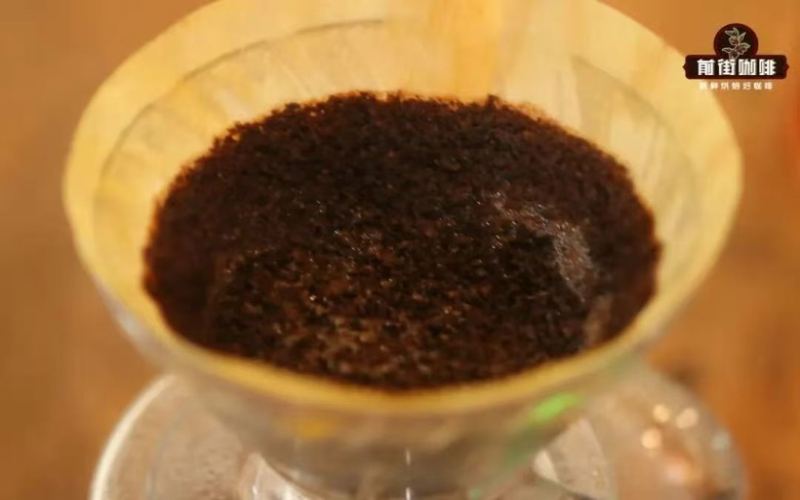
The Flavor Alchemy of Processing Methods: A Craft Revolution from Washed to Anaerobic
From the same estate, the same variety, and the same harvested batch of coffee cherries, the flavor in the cup can be as different as two distinct beans—simply because of a different processing method. This is the magic of coffee processing. In the microscopic world, it uses microorganisms and time to perform the alchemy of flavor. The washed method is the oldest mainstream technique, and its logic is "to do [more…]
Sidamo Coffee Flavor Characteristics, Taste Profile, Processing Methods, and Grinding Parameters: A Comprehensive Analysis
Sidamo is a highly representative specialty coffee region in Ethiopia, and its flavors display rich variation due to the diversity of its soil, microclimates, and native varieties. This article focuses on Front Street Coffee's selected Sidamo coffee, covering its origin background, cooperative information, flavor description, taste characteristics, differences in processing methods, and roasting and grinding recommendations one by one. The article also sorts out the flavor differences brought by the two processing methods of natural and washed, as well as the respective applicable scenarios of light-medium roast and medium-dark roast, helping coffee enthusiasts gain a more comprehensive understanding of the unique charm of this region. [more…]
Midnight Coffee Moments: Captions for Solitary Hours—Aromatic Soliloquies and Emotional Anchors
Savoring a cup of coffee alone late at night is a moment of tranquility cherished by many. This article compiles short captions for coffee lovers to post on Moments in the evening, while also depicting, in an essayistic style, the solitude and contemplation that coffee accompanies. From the curling steam rising during brewing to the pure, bitter aroma at first sip, coffee is not merely a beverage—it carries life's confidence and delight. The article also recommends related products from Front Street Coffee, helping you find your own coffee mood in the quiet of the night. [more…]

Where Exactly Do Nordic Roasting and Italian Roasting Differ? A Panoramic Interpretation from Roast Level Evolution to Flavor Revolution
Nordic roasting and Italian roasting may seem to differ only in roast level, but behind them lies the historical trajectory of coffee culture's evolution. Italian and French dark roasts long dominated the coffee world, while the Nordic region, having encountered coffee relatively late, was not bound by a bitter-flavor aesthetic, and instead gave rise to a rebellious light-roast style. From the initial "high-heat blast roasting" to the gentler methods refined by Norwegian roasters, Nordic roasting gradually developed into its own school, and ultimately drove the entire industry to shift from the reign of dark roasts to an era dominated by acidity and light roasts. This article provides a complete overview of this evolutionary process, helping you understand the core differences between the Nordic approach and the Italian style. [more…]
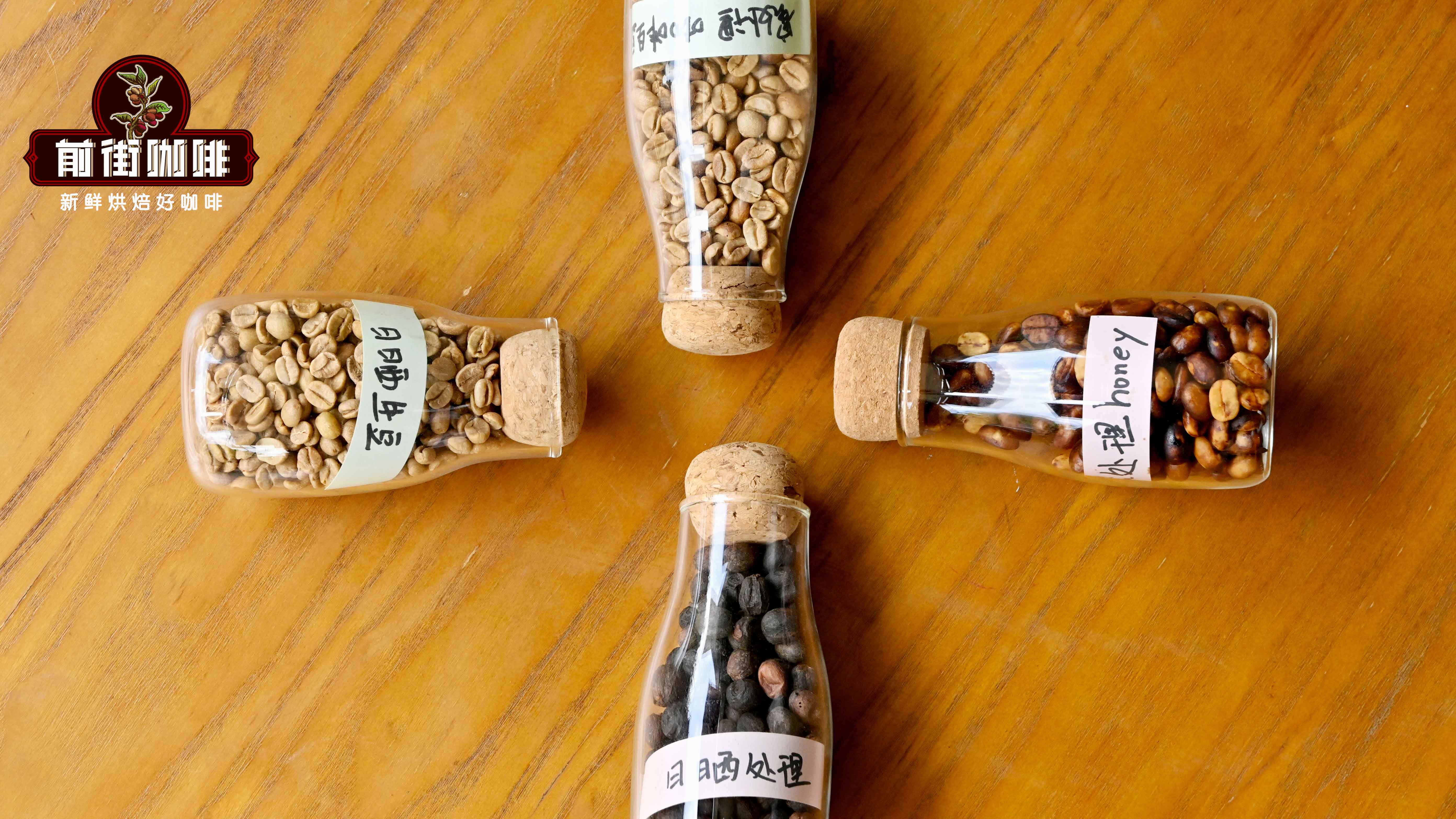
An In-Depth Analysis of the Natural Process: Advantages, Disadvantages, and Flavor Evolution from Traditional Sun-Drying to Slow Fermentation
The natural process is the oldest method of coffee processing, allowing the fruit to dry naturally while the beans mature inside the pulp, resulting in intense flavor and prominent sweetness. Today, the natural process has been refined, from African raised beds to single-layer slow fermentation, greatly improving quality and even becoming the top choice for competition-grade coffee. This article will guide you through a comprehensive understanding of the natural process's operational flow, flavor advantages, traditional flaws, and modern improved techniques, and recommend freshly roasted beans such as Front Street Natural Huakui and Front Street Red Cherry, allowing you to understand the unique charm of naturally processed coffee from theory to practice. [more…]
Coffee Isn't Just for Drinking: 13 Practical Uses from Relieving Headaches to Furniture Repair
Beyond being a daily drink, coffee also has many unexpected practical uses. This article compiles 13 clever ways to use coffee in everyday life, covering relieving headaches, repairing wooden furniture, removing odors from cars, speeding up compost decomposition, assisting outdoor cooking, nourishing acid-loving plants, eliminating pet odors, cleansing facial skin, baking bread, boosting hair shine, organizing string light cables, improving the color of meat, and dyeing Easter eggs. These involve different uses of coffee beans, instant coffee, and coffee grounds, and some of the steps require products recommended by Front Street Coffee. Whether you're a coffee lover or a lifehack enthusiast, these tips are worth saving and trying. [more…]
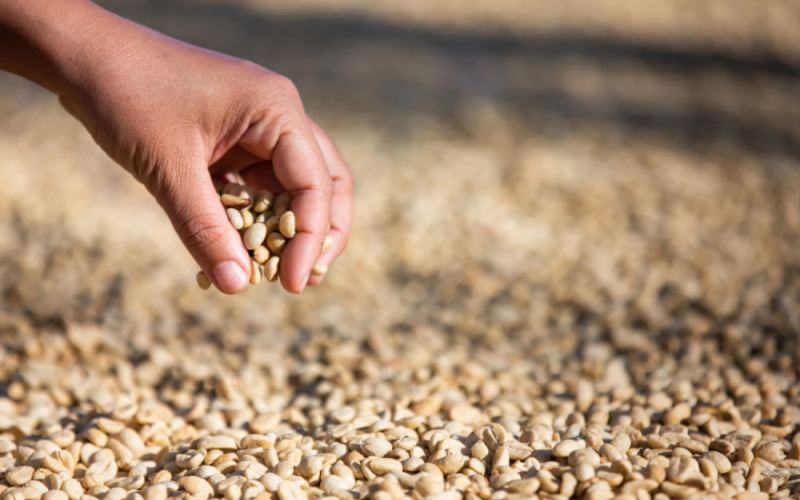
Ethiopian Sidamo and Shakiso Coffee Flavor Analysis: Nutty Fruity Aromas and the Differences Between Natural and Washed Processing
Sidamo is an important coffee-producing region in southern Ethiopia. Its flavor is completely different from Yirgacheffe, and it is known for its rich, juicy sweet-and-sour taste. Starting from the region's divisions and geographical conditions, this article sorts out the context of subregions such as Guji, Shakiso, and Hambela, and focuses on introducing the origin of Huakui coffee and the characteristics of its natural processing. At the same time, it compares the effects of washed and natural processing methods on Sidamo's flavor, analyzes the sources of flavors such as nuts, cocoa, and floral and fruity aromas, and recommends two single-origin coffees, Front Street Hamasho 74158 and Front Street Natural Huakui, to help coffee lovers more clearly choose the Ethiopian flavor they like. [more…]
A Complete Analysis of Coffee Bean Roast Levels: Temperature, Taste, and Time Comparison from Light Roast to Espresso Roast
The roasting degree of coffee beans directly determines the flavor profile of the final cup. From the bright acidity of a light roast to the rich, bittersweet depth of a dark roast, each stage has its own unique temperature range, timing, and visual characteristics. This article systematically breaks down the complete process of coffee beans from light roast, medium roast, medium-dark roast to dark roast, and includes a detailed comparison table to help you understand the flavor changes and suitable applications of different roasting stages. Whether you are a beginner pour-over enthusiast or a seasoned player pursuing the ultimate flavor, this guide can provide you with practical reference. The article also specifically retains product recommendations from Front Street Coffee for your reference when making purchases. [more…]
Yirgacheffe Four-Roast Cupping Record: An Analysis of How Green Bean and Roasted Bean Freshness Affect Flavor Complexity
How much of an impact does the freshness of coffee beans really have on flavor? Through comparative observation and roasting cupping of four washed Yirgacheffe G2 green beans, this article analyzes one by one the key role of freshness in coffee quality, from green bean color and dehydration state to post-roast aroma and mouthfeel layers. The test used the same roasting curve and repeatedly evaluated the coffee by pour-over and immersion methods, ultimately finding that Sample A and Sample B formed a striking polarity—the former had prominent floral and fruity notes and a long, sweet finish, while the latter lacked vitality due to aging. Whether green beans or roasted beans, freshness is the core element that determines the soul of coffee, and Front Street Coffee has always emphasized the importance of storage conditions. [more…]
Freshly Squeezed Orange Juice Meets Espresso: A Complete Guide to the Orange C Americano, Hot and Iced
Orange juice not only helps relieve fatigue, but its refreshing effect is even considered superior to coffee. So what kind of taste experience would combining it with coffee bring? Today, Front Street takes you to recreate at home the Orange C Americano that has swept the country. From choosing the variety for fresh-squeezed orange juice and the extraction parameters for espresso, to the specific steps for both iced and hot versions, we break down the ingredient ratios and production details one by one, helping you make a refreshing specialty drink that has both the rich aroma of coffee and the abundant juice of oranges. [more…]
An In-Depth Analysis of Kenyan AA Fully Washed Coffee Beans: From Farm Management to Cup Flavor
Kenya AA is widely recognized as a benchmark single-origin coffee in the specialty coffee world, conquering countless coffee lovers with its bright acidity, full body, and unique fruity and winey notes. This article systematically reviews Kenya AA's producing region background, grading standards, processing techniques, and flavor characteristics, from field management to hand-picking, and then to scientific washing and natural drying, fully presenting the birth process of a high-quality coffee bean. At the same time, drawing on Sweet Marias' origin observations, it analyzes the impact of Kenya's auction system on quality, and recommends the Kenya AA Fully Washed coffee beans produced by the Front Street Coffee brand, leading you to a comprehensive understanding of this representative work of African specialty coffee. [more…]
Kenya AA Fully Washed Coffee Bean Flavor Analysis: A Comprehensive Tasting Guide from Origin to Cup
Kenya AA has long been regarded by coffee industry insiders as a favorite. It encompasses almost all the qualities a great cup of coffee should have: captivating aroma, balanced acidity, plump beans, and outstanding fruity flavors. This article will systematically explain the flavor characteristics of fully washed Kenya AA coffee beans, from the origin background, field management, and washing process to cupping performance. Whether you are a newcomer just getting into specialty coffee or a seasoned connoisseur looking for new beans, you can gain practical tasting references from it. In this article, Front Street Coffee will also recommend Kenya AA products worth trying. [more…]
Why Does Coffee Taste Salty? Analyzing the Sources of Saltiness from Processing Method and Bean Variety to Brewing, and the Reasons Espresso Tastes Salty
When drinking coffee, you may occasionally encounter a salty taste. This is not an illusion, nor is there anything wrong with your sense of taste. Coffee itself contains four basic tastes: sour, sweet, bitter, and salty, which balance each other out. Once sweetness is insufficient, saltiness tends to emerge. The sources of saltiness are quite complex, potentially involving the processing method, coffee bean variety and altitude, defective beans, brewing water, roast level and freshness, as well as extraction technique, among other factors. Among these, espresso tends to have a more pronounced salty sensation due to the relationship between taste distribution and concentration. This article will go through the causes of saltiness one by one, while retaining Front Street brand recommendations, to help coffee enthusiasts understand and try to avoid brewing a cup of coffee with a salty taste. [more…]
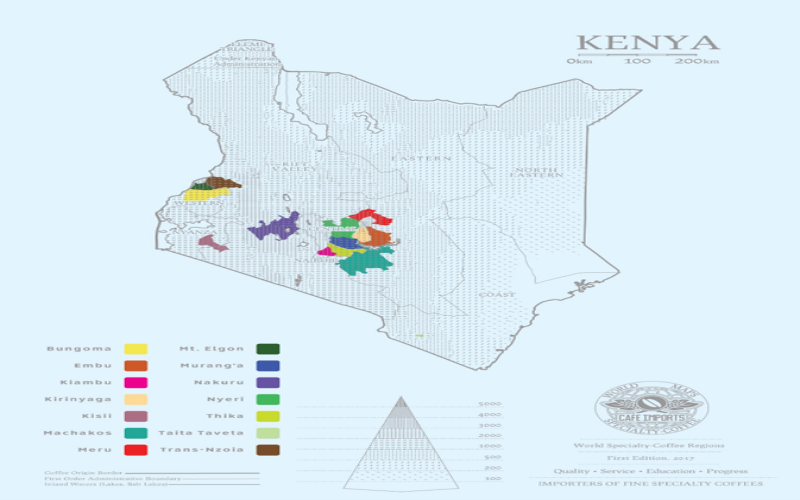
A Complete Guide to Kenyan Coffee Varieties: Flavor Profiles and Pour-Over Parameters for SL28, SL34, Ruiru11, and Batian
Although Kenya and Ethiopia are both in Africa and not far apart, their coffee flavor profiles are completely different—the former is known for its sweet-and-sour notes reminiscent of dark plums, cherry tomatoes, and caramel. This uniqueness stems both from the volcanic soil at altitudes of 1,600 to 2,100 meters from the capital Nairobi to the Kenyan highlands, and from the contribution of classic varieties such as SL28 and SL34. This article will trace the evolution of Kenyan coffee varieties: from the Bourbon variety introduced by French missionaries, to the selection of SL28 and SL34 by the Scott Laboratories, to Ruiru11 developed in response to pests and diseases, and Batian, which was released in 2010. It also includes brewing suggestions and flavor descriptions for Front Street Coffee Kenya·Asalia, for the reference of coffee enthusiasts. [more…]

What Can Coffee Grounds Actually Do? Are They Reliable for Gardening, Face Masks, and Bathing? A Clear Guide to the Correct Uses
Coffee grounds have transformed from waste into an internet-famous wonder, with social media platforms overflowing with clever uses for them—growing flowers, reducing facial puffiness, exfoliating in the shower, even losing weight. Yet those who try these tricks often end up with disasters: dead plants, swollen faces, clogged drains. Which of these popular uses actually hold up, and which are traps? This article starts with Starbucks' environmental initiative of giving away free coffee grounds, then examines one by one the scientific basis behind claims like using coffee grounds to grow flowers, reduce dark circles under the eyes, ease facial swelling, and aid weight loss in the shower—telling you what coffee grounds are truly good for and what details to watch out for when using them. If you've also accumulated a pile of coffee grounds and don't know what to do with them, or are thinking of jumping on the bandwagon, you might want to finish reading this first before you start. [more…]